By Technical Team, CheMost Additives | 16 min read | Last updated: 2025-11-08
OCP Viscosity Index Improver
TL;DR — Who This Is For & What You'll Get
For formulators and blenders evaluating olefin copolymer (OCP) as a viscosity index improver for engine oils and industrial lubricants. You'll learn the difference between EPM and EPDM, how ethylene/propylene ratio controls crystallinity and low-temperature behavior, how to select OCP by SSI grade, and when to choose solid bale versus pre-dissolved liquid OCP.
Key Takeaways
- OCP is an ethylene-propylene copolymer — the most widely used VII by volume, with 60–70% global market share, driven by cost-effectiveness and shear stability
- Two OCP types exist: EPM (ethylene-propylene, fully saturated backbone) and EPDM (ethylene-propylene-diene, unsaturated side groups from ENB termonomer)
- Ethylene/propylene ratio is the primary formulation lever: 50:50 for balanced performance, 60:40 for higher thickening efficiency but worse low-temperature behavior
- OCP's defining advantage over PMA is shear stability at lower cost; its defining weakness is low-temperature performance — separate pour point depressant required
- Solid bale OCP is 30–40% cheaper per kilogram than pre-dissolved liquid but requires melt-handling equipment; liquid OCP (30–70% polymer in mineral oil) is pumpable at ambient temperature
Table of Contents (click to expand)
OCP — olefin copolymer — is the workhorse of the viscosity index improver market. It accounts for roughly 60–70% of all VII consumed globally. The reason is simple: at equal thickening power, OCP costs 30–50% less than PMA and provides better shear stability. For a heavy-duty diesel oil that needs 8% VII treat rate and 50,000 km drain interval, that cost difference matters.
But OCP has a trade-off: it doesn't dissolve in synthetic base stocks as well as PMA, it provides no pour point depression, and its low-temperature performance — measured by CCS and MRV viscosity — is adequate but not class-leading. Knowing where OCP fits and where it doesn't is the difference between a formulation that meets spec affordably and one that fails CCS at -30°C.
CheMost manufactures OCP viscosity index improvers in solid bale and pre-dissolved liquid forms (VII6000, VII8000, VII9000) with SSI grades from 10–35.
OCP Chemistry: EPM vs. EPDM
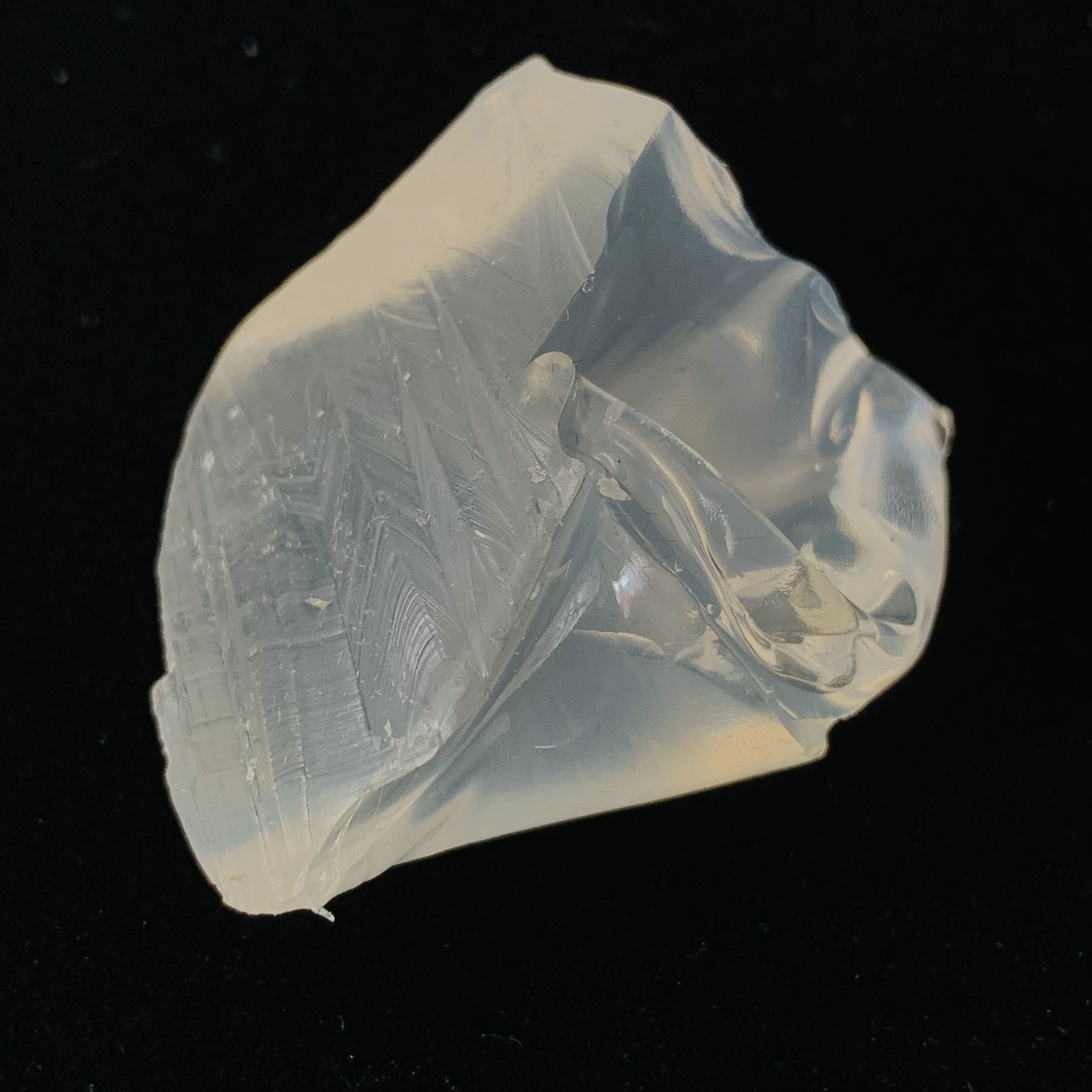
OCP is produced by solution polymerization of ethylene and propylene monomers using a Ziegler-Natta catalyst — typically TiCl₄ on MgCl₂ support with an aluminum alkyl cocatalyst. The polymerization runs at 30–70°C in a hydrocarbon solvent (hexane or cyclohexane), producing a random copolymer with an entirely saturated carbon-carbon backbone.
Two OCP chemistries exist in the lubricant market:
EPM (Ethylene-Propylene Copolymer)
The simpler molecule — just ethylene and propylene. The saturated backbone means EPM is inherently oxidatively stable (no double bonds to attack) and is the standard OCP for most engine oil and industrial applications. EPM cannot be crosslinked; it remains thermoplastic and dissolves in hot oil during blending.
EPDM (Ethylene-Propylene-Diene Terpolymer)
EPDM incorporates a third monomer — typically ethylidene norbornene (ENB) at 2–5 wt%. The ENB introduces pendant unsaturation (a carbon-carbon double bond in the side group, not the backbone) that serves two purposes in lubricant applications:
- Improved dispersancy. The unsaturated ENB side groups provide weak polar sites that interact with soot particle surfaces, giving EPDM a mild dispersant effect that EPM lacks.
- Potential for oxidative crosslinking. At high temperatures (>150°C) with oxygen present, the ENB unsaturation can form inter-polymer crosslinks, increasing molecular weight and viscosity over time. This is usually undesirable in engine oil (it causes viscosity increase independent of soot loading) but can be beneficial in certain industrial greases where controlled thickening during service is desired.
For standard engine oil VII applications, EPM is the default. EPDM is used selectively — typically in specific industrial applications or where the mild dispersant effect reduces the required dispersant treat rate.
There's also a product category most formulators don't encounter until they need it: dispersant OCP (DOCP). These are OCP grades chemically modified with a nitrogen-containing monomer (typically vinyl pyrrolidone or a methacrylamide derivative) grafted onto the ethylene-propylene backbone. The nitrogen sites provide active dispersancy — not the mild polar interaction of EPDM's ENB, but actual soot-suspending capability comparable to a low-dose PIBSI dispersant. DOCP is used in formulations where soot loading is borderline for the dispersant budget: high-EGR diesel engines, certain marine trunk piston oils, and extended-drain HDDO where the primary dispersant depletes before the TBN. The trade-off: DOCP costs more than standard OCP and has slightly worse shear stability because the grafted nitrogen branches act as stress concentrators during mechanical shear. For most formulations, standard OCP + a separate dispersant is the better choice. DOCP is the solution when you've maxed out your dispersant treat rate and still need more soot capacity — a niche, but a real one.
OCP in Synthetic Base Stocks: The Compatibility Trap
Here's something that catches formulators off guard — and we've handled a half-dozen troubleshooting calls about it. OCP dissolves fine in Group I and Group II mineral oil. But drop it into PAO or a PAO/ester blend, and the polymer can precipitate — slowly, at low temperatures, over weeks of storage. Not all at once. The oil looks clear coming out of the blend tank. Ship it to a customer in northern Alberta in January, and the bottles come back with a haze that doesn't clear on warming. Wrong polymer. Wrong base oil.
The mechanism: OCP is a pure hydrocarbon with no polar groups. PAO is also a pure hydrocarbon — but with a narrower molecular weight distribution and no aromatic content. The absence of aromatics means the OCP chains don't have the slight solvation boost that aromatic molecules provide in mineral oil. At low temperature, the OCP chains contract (coil shrinkage) and if the solubility parameter mismatch is wide enough, they phase-separate.
The fix is either: switch to PMA (which has polar ester groups and stays dissolved in PAO), blend in enough Group I/II mineral oil to provide aromatic solvation (typical: 15–20% Group I in the base oil mix is enough), or use a lower-MW OCP grade (SSI 10–15) that has better low-temperature solubility at the cost of requiring higher treat rate. No other fix works. Solvent-dewaxed Group II won't help. Group III is worse — even less aromatic content. If your formulation is all-Group III or PAO-based and needs to pass a -35°C CCS, don't use OCP. Use PMA.
Ethylene/Propylene Ratio: The Primary Design Lever
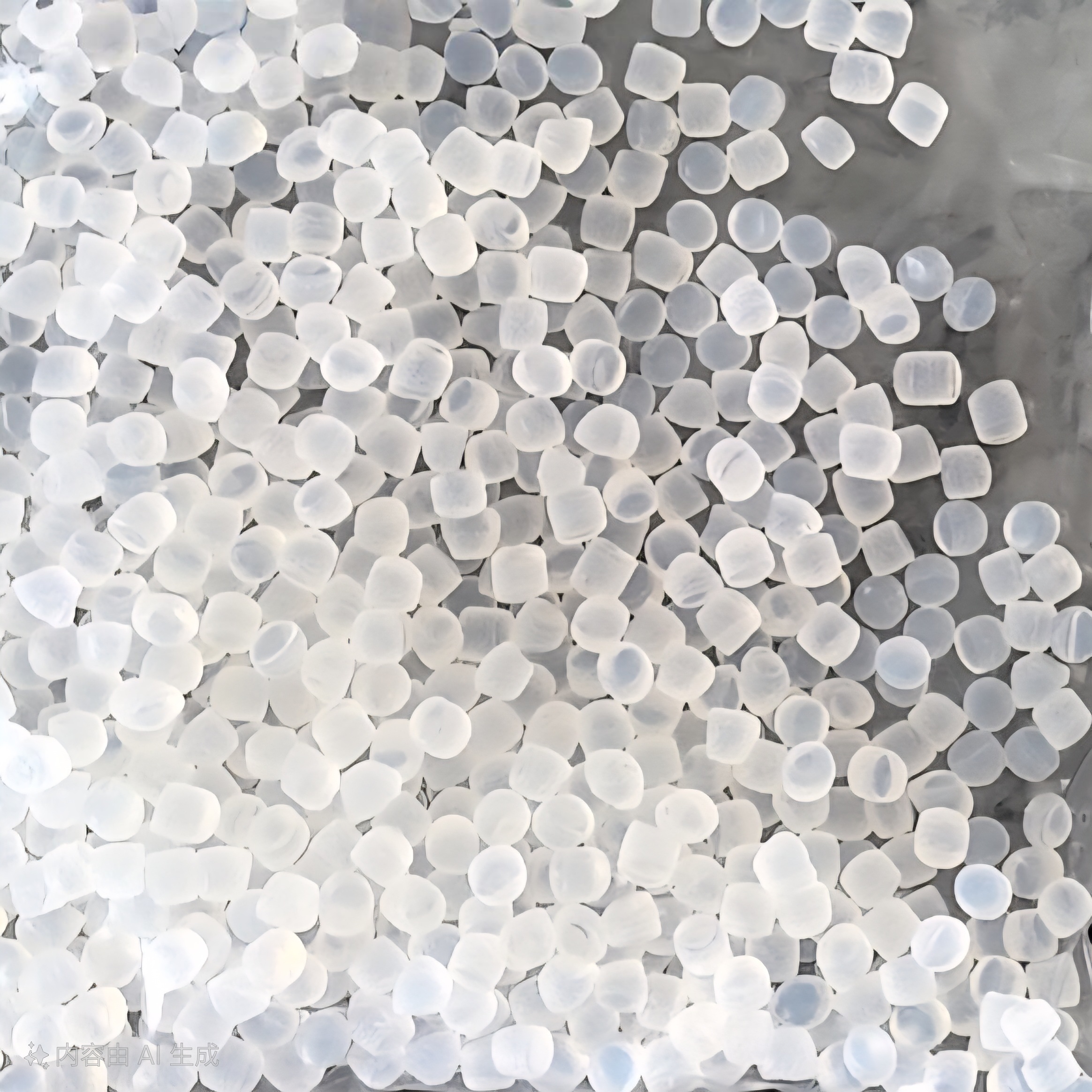
The ratio of ethylene to propylene in the copolymer backbone controls the polymer's behavior more than any other variable:
| E/P Ratio | Crystallinity | Thickening Efficiency | Oil Solubility | Low-Temp Behavior |
|---|---|---|---|---|
| 50:50 | Amorphous (none) | Standard (1.0×) | Good in Group I/II | Adequate — may gel below -20°C |
| 55:45 | Trace | 1.1–1.2× | Fair in Group I/II | Moderate — CCS penalty vs. 50:50 |
| 60:40 | Low (ethylene sequences crystallize) | 1.3–1.5× | Requires hot-oil dissolution | Poor — gelling risk below -15°C |
Higher ethylene content increases thickening power (fewer kilograms of polymer needed per unit of viscosity increase) because longer ethylene sequences create transient physical crosslinks between polymer chains at low temperature. But these same ethylene sequences can crystallize at low temperature, causing a sharp increase in CCS viscosity and, in the worst case, gel formation in the oil sump during cold starts.
The 50:50 ratio is the standard for multi-grade engine oils where low-temperature performance matters. The 60:40 ratio is used in monograde and high-viscosity industrial oils where the oil never sees sub-zero temperatures and maximum thickening efficiency per dollar is the priority.
SSI Grades: Matching OCP to Shear Environment
SSI (ASTM D6278, Kurt Orbahn 30-cycle) is the specification that determines where an OCP can be used:
| OCP SSI Grade | Typical Molecular Weight | Thickening Efficiency | Best Application | CheMost Product |
|---|---|---|---|---|
| SSI 10–15 (ultra-stable) | Low (50K–80K Da) | Lowest — high treat rate (8–12%) | Gear oils, hydraulic fluids, ATF | — |
| SSI 15–25 (high stability) | Medium-low (80K–120K Da) | Moderate (6–10%) | HDDO with extended drain, marine cylinder | VII9000 |
| SSI 25–35 (standard) | Medium (120K–180K Da) | Good (5–8%) | HDDO standard drain, PCMO 15W-40/20W-50 | VII8000, VII6000 |
OCP's natural advantage is shear stability. At equal SSI, an OCP typically has higher thickening efficiency than PMA — meaning less polymer treat rate, which means less deposit-forming material in the oil. This is why OCP dominates HDDO and marine applications where shear from piston-ring contacts and high-pressure fuel injection systems is the primary mechanical stress on the polymer.
Solid vs. Liquid OCP: Form Matters
| Factor | Solid Bale OCP | Liquid OCP (Pre-Dissolved) |
|---|---|---|
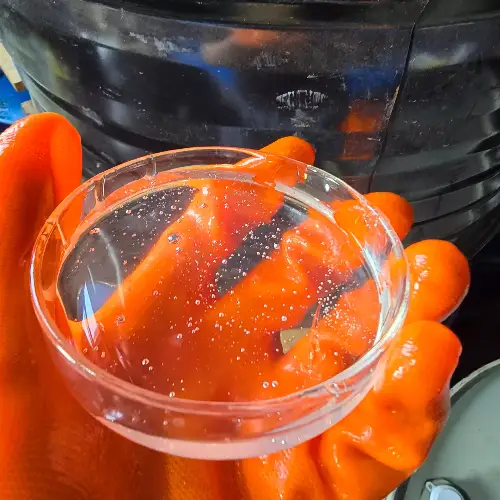
| Form | Rubber bale, 20–25 kg | 30–70 wt% polymer in mineral oil, drum or ISO tank |
| Price per kg of active polymer | Lowest (no solvent, no processing) | Higher (solvent + dissolution cost included) |
| Blending equipment | Requires hot-oil dissolution tank (120–150°C, 4–8 h mixing) | Pumpable at 20–40°C, direct addition to blend tank |
| Labor | Higher (bale handling, extended mixing) | Lower (pump transfer, shorter mixing) |
| Minimum batch size | 5,000 L+ (to amortize dissolution time) | Any size |
| Best for | Large blenders (5,000+ tons/yr), dedicated OCP line | Small-to-medium blenders, multi-product lines, rapid grade changes |
| Storage | Indefinite (rubber, no solvent to evaporate) | 12–24 months (solvent evaporation, polymer settling possible) |
CheMost's liquid OCP grades — VII6000, VII8000, VII9000 — are pre-dissolved at 30–70% polymer content in Group II mineral oil. The number corresponds to molecular weight/SSI: VII6000 has the lowest MW (highest shear stability), VII9000 has the highest MW (highest thickening efficiency). The choice depends on the target SSI and treat rate budget.
Formulating with OCP? Tell us your target viscosity grade, application, and blending setup → — we'll recommend solid or liquid OCP with SSI and treat-rate data.
OCP vs. PMA: When to Choose Which
| Factor | OCP | PMA |
|---|---|---|
| Cost per kg active polymer | $ (lowest of all VII types) | $$ (2–3× OCP) |
| Thickening efficiency | Good | Higher (lower treat rate) |
| Shear stability | Excellent (SSI 10–25 typical) | Good (SSI 20–50 typical) |
| Low-temp (CCS/MRV) | Adequate | Excellent |
| Pour point depression | None — requires separate PPD | Yes — dual function |
| Synthetic base compatibility | Limited (PAO/ester may cause haze) | Excellent |
| Deposit tendency | Moderate (hydrocarbon backbone carbonizes) | Lower (depolymerizes cleanly) |
| Primary market | HDDO (60%+ market), marine, industrial | PCMO, ATF, Arctic hydraulic, synthetic |
| CheMost products | VII6000, VII8000, VII9000 (liquid), solid bale | PMA solid and liquid |
The split is practical, not ideological. A heavy-duty diesel oil (15W-40, 50,000 km drain) uses OCP because shear stability and cost matter more than -30°C CCS performance. A 0W-20 passenger car oil uses PMA because the CCS limit at -35°C is the controlling specification and PMA's PPD function eliminates a separate additive. The formulator's choice follows the specification — not brand loyalty to a polymer chemistry.
Frequently Asked Questions
What does OCP stand for?
Olefin Copolymer — specifically an ethylene-propylene copolymer (EPM) or ethylene-propylene-diene terpolymer (EPDM). "Olefin" refers to the alkene monomers (ethylene, propylene), and "copolymer" means two or more monomers polymerized together in a single chain.
What's the difference between EPM and EPDM in lubricant applications?
EPM is the standard — fully saturated backbone, oxidatively stable, used in 95% of OCP VII applications. EPDM contains 2–5% ethylidene norbornene (ENB) as a third monomer, providing mild dispersant functionality at the cost of slight oxidative instability. EPDM is selected when the formulator wants the VII to contribute to soot dispersancy — typically in certain industrial and marine formulations.
How does ethylene/propylene ratio affect OCP performance?
Higher ethylene (60:40) = better thickening efficiency (less polymer needed) but worse low-temperature behavior (crystallization, gel risk). Lower ethylene (50:50) = balanced low-temperature and thickening performance. The ratio is a compromise — and the 50:50 grade is the default for multi-grade engine oils.
Do I need a separate pour point depressant with OCP?
Yes. OCP has no pour point depression function. Every OCP-formulated multi-grade oil requires a separate PPD (typically a low-MW PMA or fumarate-vinyl acetate copolymer) at 0.1–0.5% treat rate. If reducing component count matters to you, PMA may be a better choice — it provides both VII and PPD in one additive.
Why is OCP cheaper than PMA?
OCP is produced by direct copolymerization of ethylene and propylene — commodity monomers at petrochemical scale. PMA requires multi-step synthesis: methacrylic acid production, esterification with higher alcohols, then polymerization. The higher alcohol (C₈–C₁₈) alone costs more than ethylene and propylene combined.
Which CheMost OCP grade should I choose?
VII6000 for maximum shear stability (low SSI, gear oils, hydraulics); VII8000 for standard HDDO applications (balanced SSI and treat rate); VII9000 for maximum thickening efficiency (higher SSI, cost-optimized HDDO, marine). Contact us with your target viscosity grade and shear stability requirement. Request OCP grade comparison and treat-rate calculator →
Related Articles
- What are Viscosity Index Improvers? — Full VII overview: OCP, PMA, PIB, HSD chemistry and selection.
- PMA Viscosity Index Improver — Polymethacrylate VII: the low-temperature specialist with dual VII+PPD function.
- The Role of Ethylene Propylene Copolymer in Lubricants — How EPM functions beyond VII: impact modification, tackiness, and seal compatibility.
- OCP Viscosity Index Improver Manufacturers — CheMost's OCP product page: solid bale and liquid grades.
- What is Pour Point Depressants? — Why OCP always needs a companion PPD.
- Thickeners & Viscosity Index Improvers — CheMost's full VII product line.
References & Industry Standards
- ASTM International: ASTM D6278 — Shear Stability of Polymer-Containing Fluids
- ASTM International: ASTM D5293 — Apparent Viscosity by Cold-Cranking Simulator
- STLE: Olefin Copolymer Viscosity Modifiers in Heavy-Duty Engine Oils
Need Help Selecting a VII?
CheMost supplies OCP, PMA, PIB, and HSD viscosity index improvers in solid bale and pre-dissolved liquid forms. Our Jinzhou lab runs CCS, HTHS, MRV, and SSI testing on your base oil — free for first-time evaluators. Tell us your target SAE grade and drain interval, and we'll recommend the right polymer type, SSI grade, and treat rate.
Talk to Our Formulation Team